Moral stories for children · VegaStories

A story can open a good conversation.

Explore VegaStories’ moral-story listings and share a reading moment around characters, choices and consequences.
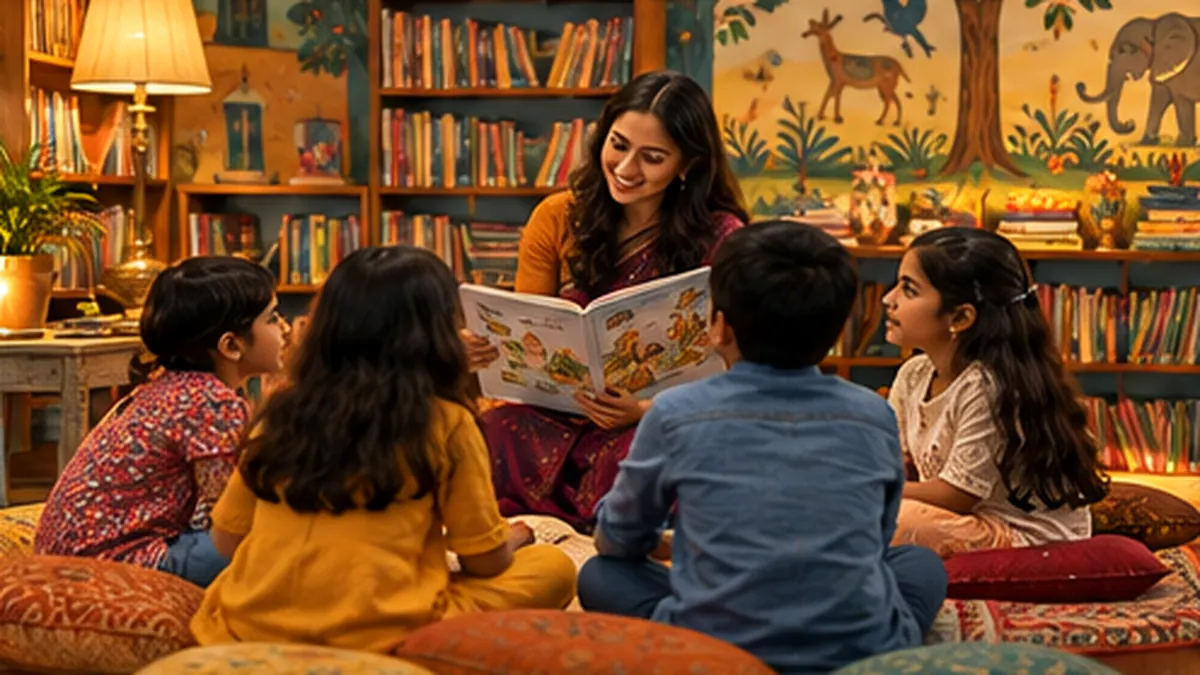
Make room for a story and a conversation. from VegaStories
Business context for make room for a story and a conversation..

Let the story open the conversation.

A moral label does not need to turn reading into a lecture. A story can invite a child to notice what happened and explain what they think. Start with a title the adult has reviewed and let the discussion follow the actual tale.

Stories to read, watch and talk about together

The important decisions deserve more than a headline. Explore the practical details that shape this enquiry and the choices worth considering before you move ahead.

Choose a title with context

The current collection includes The Clever Rabbit and the Lion, The Tortoise and the Hare and The Boy Who Cried Wolf. Check the individual description and language before reading.

Follow the decision

Ask what the character wanted and why they chose a particular action. This keeps the conversation tied to the story rather than a predetermined answer.

Explore another possibility

Consider how the ending might change if a character acted differently. The activity is a shared discussion, without a guaranteed behaviour or learning outcome.

Keep reading choice flexible

A family can revisit a familiar story or choose another category. The current collection, rather than a general page title, shows which versions are available.

Built around your needs.

For families who enjoy discussing stories and adults choosing a moral-themed title for a shared reading session.

Bringing these decisions together gives you a clearer basis for choosing the scope. It also helps separate the essentials from optional additions, so the final plan reflects what you actually need rather than an unrelated standard package.

A clear way to move forward.

Step 1

Choose a story together

Start with the child’s interests and the time available. Read the title, language and description before choosing a story or video for the session.

Step 2

Preview the content

Adults can review the material first and decide whether it suits their child or group. A category label is a starting point, not a personalised age recommendation.

Step 3

Read or watch at your pace

Use the available reading or viewing format, with pauses for questions and discussion. The same story can be revisited without needing to rush to another title.

Step 4

Keep the conversation going

Talk about the characters and choices in the story. For a specific content question, classroom requirement or collaboration, use the enquiry form to contact the team.

Compare the approach, not just the headline.

A practical comparison of planning choices. It describes the process, without making claims about another provider.

ConsiderationChoosing by a labelChoosing the actual story
Choose a title with contextAssume every title in a category uses the same language or version.The current collection includes The Clever Rabbit and the Lion, The Tortoise and the Hare and The Boy Who Cried Wolf.
Follow the decisionChoose from a thumbnail without previewing the text or video.Ask what the character wanted and why they chose a particular action.
Explore another possibilityTreat a category as a certified age range or guaranteed learning outcome.Consider how the ending might change if a character acted differently.

Explore the collection first

Understand the scope before making a commitment.

Browse the official story and video listings to see what is currently available. No verified paid family or classroom package is offered on this page. For school use, collaboration, permissions or another specific requirement, contact the team and confirm the relevant terms before using or redistributing content.

  • The requirements and deliverables included
  • Optional additions and any exclusions
  • The agreed commercial terms and next steps
Request details and pricing

Make the scope specific before you compare

For Moral Stories For Children | VegaStories, ask Vegastories to name the deliverables, inputs, exclusions, timeline and acceptance point in writing. This keeps a broad service description from being mistaken for a final commitment.

BeforeReviewAfterBroad requestEvidence + scopeWritten next step
Representative planning workflow; this is not a customer result or product screenshot.

Before the review

The request may name the service but leave the current situation, responsible users, dependencies, timing and commercial boundary unclear.

After the review

The brief records the intended outcome, safe reference, itemised scope, open questions, responsibilities, exclusions and next action.

Deliverables to confirm in the proposal

  • Current-state or requirement review.
  • Named pages, products, records, quantities or workflow steps.
  • Responsive, accessibility, compatibility or site conditions where relevant.
  • Content, data, CMS, migration or setup responsibility.
  • Third-party costs, dependencies and exclusions.
  • Review and approval checkpoints.
  • Expected timeline and required customer inputs.
  • Handover, acceptance and support boundary.

Useful answers before you begin.

A little clarity about moral stories for children.

Do these stories guarantee a behaviour change?

No. The page offers a reading and discussion approach, not a promise of educational or behavioural outcomes.

Are all moral stories available in one language?

No. The current collection contains different languages. Check the specific listing for the version you need.

Can an adult read the story aloud?

The reading format can support shared reading. Any redistribution, recording or wider published use needs separate permission rather than being assumed from access.

How can I choose a moral story with enough context?

The current collection includes The Clever Rabbit and the Lion, The Tortoise and the Hare and The Boy Who Cried Wolf. Check the individual description and language before reading.

Can we revisit a familiar story instead of choosing another?

A family can revisit a familiar story or choose another category. The current collection, rather than a general page title, shows which versions are available.

Let’s make your next step a clear one.

Tell VegaStories what you have in mind, what matters most and how the team can reach you.

Ask about the stories

Common questions about make room for a story and a conversation

What should I include in the first enquiry?

Share the intended outcome, relevant context, expected timing and any safe reference material that helps explain the requirement.

How are pricing and availability confirmed?

The team reviews the submitted scope before confirming availability, pricing, dependencies and the appropriate next step.

Can I discuss the requirement before making a decision?

Yes. Use the enquiry form to describe what you need so the first conversation can focus on fit and open questions.

Why discuss make room for a story and a conversation. with Vegastories

The first conversation should make the requirement easier to assess and the next step easier to choose.

Context before recommendation

The team starts with your current situation, intended outcome and any dependencies that can affect the scope.

A reviewable scope

Deliverables, responsibilities and open questions stay visible before availability or quotation is confirmed.

A practical next step

The response focuses on what can be confirmed now and what information is still needed for a useful decision.

Proof before commitment

See the evidence. Define the outcome. Choose the next step.

Use this review to connect make room for a story and a conversation with a real requirement, the evidence available today and the result your team needs to evaluate.

Capabilities and proof you can check

Ask Vegastories for the most relevant current example, workflow or supporting material available for your requirement. Confirm scope and applicability before relying on any claim.

  • Match the example to your use case
  • Confirm what is live and what needs scoping
  • Record the decision criteria
Outcome review pathA three-step path from current situation to scoped review and a clear next action.Current stateScoped reviewNext action

Result map

Define the starting point, review the proposed approach and agree how the next decision will be measured.

Use a case study properly

A useful case study shows the starting situation, chosen scope, delivery conditions and verified outcome. Use that structure when you ask for a relevant example.

Ask for a relevant example →